Truck Wheel Alignment vs Wheel Balancing: What Fleet Operators Need to Know
Fleet operators managing trucks across Melbourne, VIC, often ask whether their vehicles need truck wheel alignment, wheel balancing, or both. These are two distinct services that address different problems, and confusing them can lead to premature tyre wear, higher fuel costs, and serious safety risks on the road.
What Is Truck Wheel Alignment?
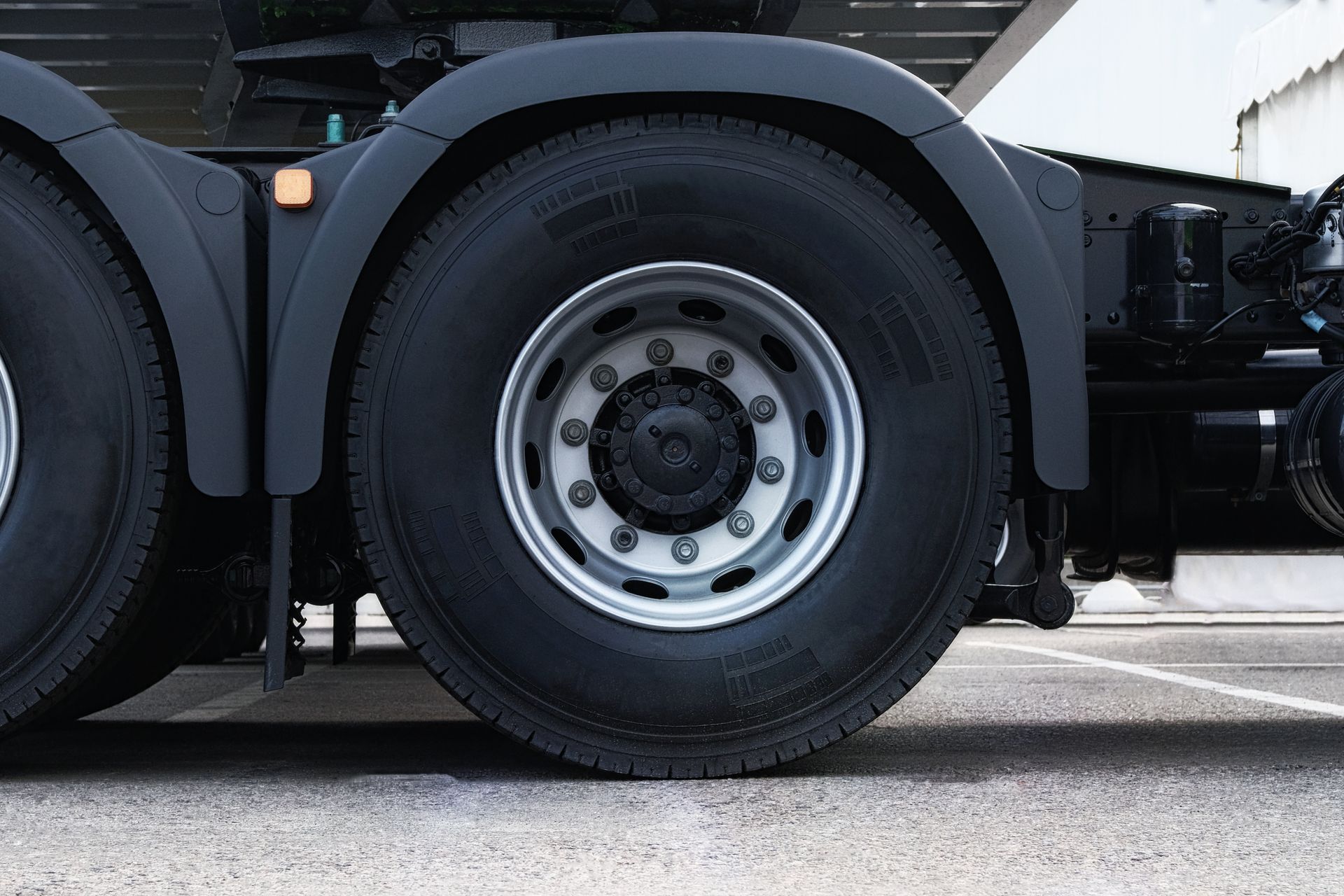
Wheel alignment is about the angles of your tyres relative to each other and to the road. When those angles fall outside the manufacturer's specification, your truck can pull to one side, wear tyres unevenly, and work harder than it should. Truck wheel alignment corrects settings such as camber, caster, and toe so that all wheels point in the right direction and roll in unison. For heavy vehicles carrying significant loads across Melbourne's road network, alignment tolerances matter more than most operators realise.
What Does the Alignment Process Involve?
A qualified technician measures the current angles of each axle using specialist equipment. For heavy vehicles, this typically includes checking the steer axle, drive axles, and trailer axles independently. Any angles outside the correct range are adjusted until the vehicle tracks straight and true. Services such as truck wheel alignment also cover related corrections including camber correction, caster adjustment, and axle straightening where needed.
What Is Wheel Balancing and How Is It Different?
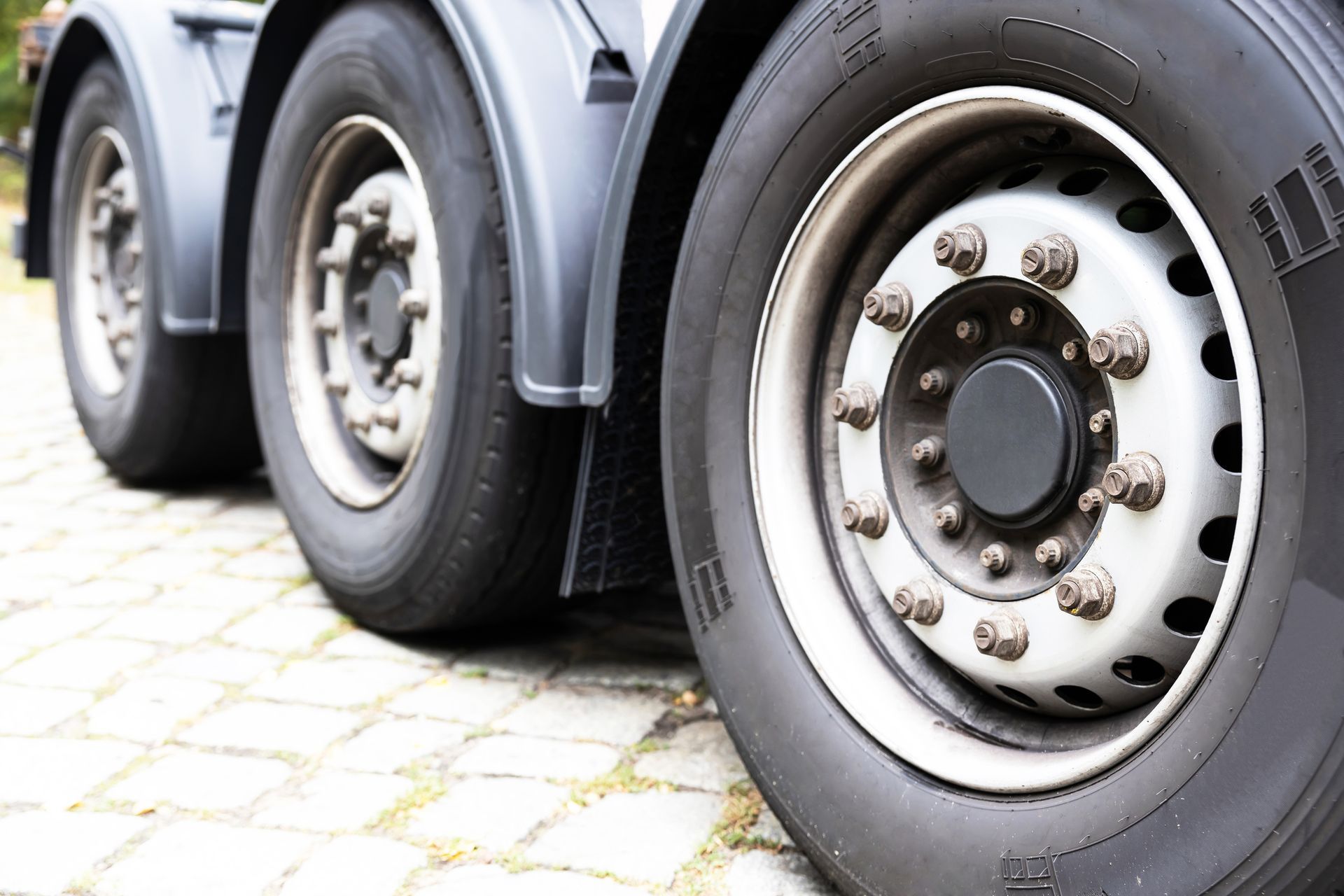
Wheel balancing is a separate process that addresses the distribution of weight around a tyre and wheel assembly. Even a small imbalance can cause vibration through the steering wheel, uneven tyre wear, and extra stress on suspension components. Balancing adds small counterweights to the wheel rim to ensure the assembly spins evenly at speed. Alignment and balancing are not interchangeable. A truck can have perfect alignment and still suffer from vibration caused by an imbalanced wheel. Equally, a balanced tyre will still wear unevenly if the alignment is off.
Key Differences at a Glance
- Alignment corrects the angles of the tyres relative to the road and to each other.
- Balancing corrects uneven weight distribution around the wheel and tyre assembly.
- Alignment is typically needed after impacts, suspension wear, or heavy loading cycles.
- Balancing is typically needed when new tyres are fitted or vibration develops at highway speeds.
- Both services support tyre longevity and safe vehicle handling, but they solve different problems.
Why Melbourne Fleet Operators Should Prioritise Both
Melbourne's road environment presents particular challenges for heavy vehicle operators. Routes through the western industrial corridor, including areas like Sunshine West, Laverton, and Altona North, involve a mix of highway running and local arterial roads that can be rough on heavy axles. Loading and unloading at port-adjacent sites and freight hubs near the Western Ring Road adds further stress to steering and suspension geometry over time.
Misalignment on a truck covering long Melbourne metro routes can cause tyre wear that significantly shortens tyre life. That means more frequent replacement and unplanned downtime. Poor wheel balance adds vibration stress to wheel bearings, hubs, and suspension parts, increasing the risk of component failure between services.
For fleet operators, the consequence of neglecting either service compounds over a large number of vehicles. One misaligned truck in a 10-vehicle fleet quietly increases your tyre and fuel spend. Across the whole fleet, the cost of inaction can be substantial.
How Often Should Fleet Trucks Be Checked?
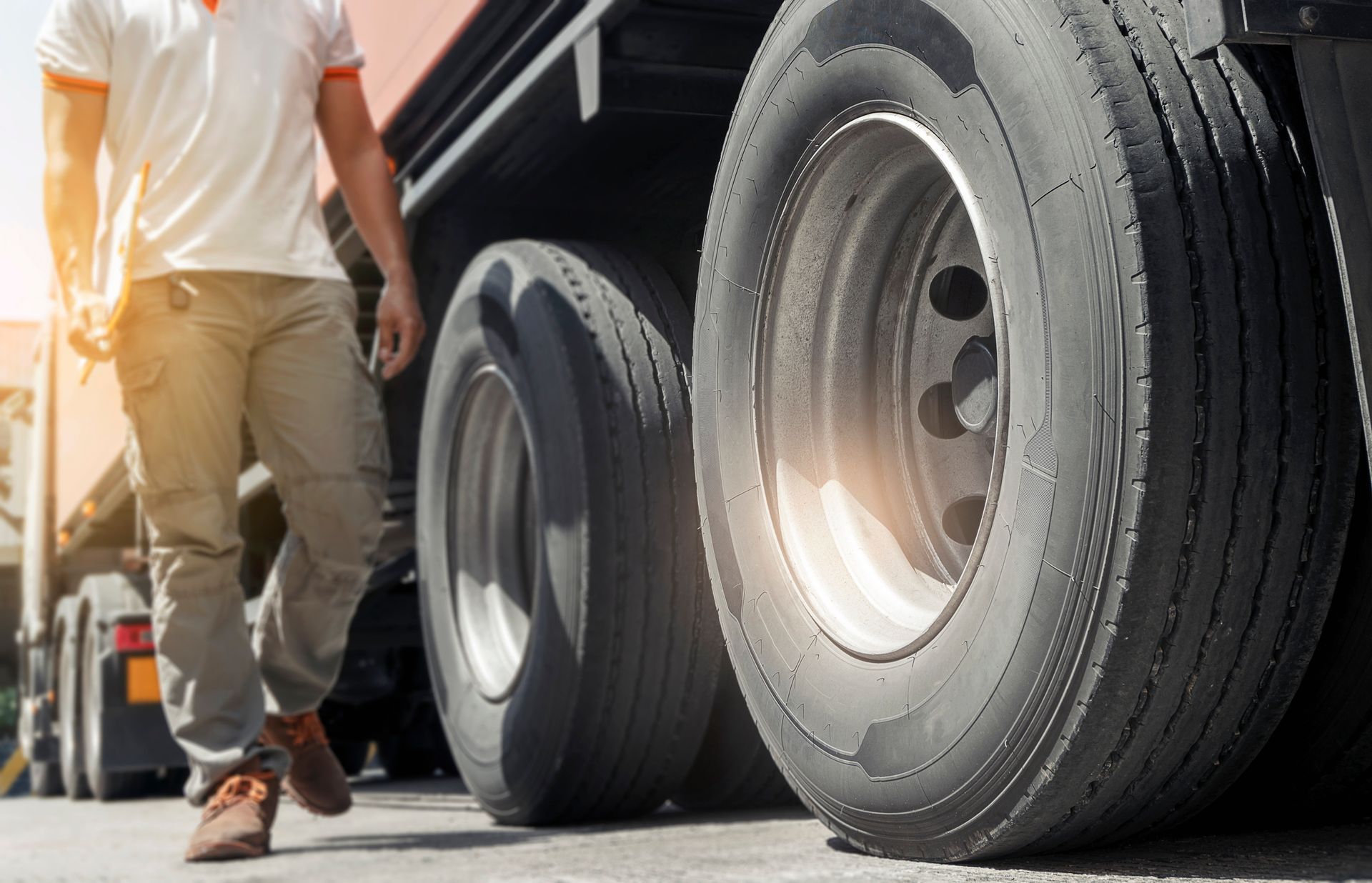
Alignment should generally be inspected at regular service intervals or any time a truck has struck a kerb, pothole, or other road hazard. It is also wise to schedule an alignment check when fitting new tyres, after any suspension or steering component repair, and following heavy or overweight load runs. Wheel balancing is typically recommended whenever new tyres are mounted and any time steering vibration appears. For fleets operating on Melbourne's port and freight routes, more frequent checks may be appropriate given road conditions and payload demands.
What Happens if You Ignore Misalignment or Imbalance?
Misalignment left uncorrected accelerates tyre wear on the inner or outer edges of the tread. This can render a tyre unserviceable well before its expected lifespan. It also places uneven lateral loads on steering components, which can lead to premature failure of tie rod ends, king pins, and wheel bearings. Imbalance, if left unaddressed, causes vibration that fatigues suspension parts and can affect driver comfort over long shifts. Both issues can contribute to increased fuel consumption, as the drivetrain works harder to overcome resistance or instability.
Can a Truck Need Both Services at the Same Time?
Yes. It is entirely possible for a truck to need both truck wheel alignment and wheel balancing at the same visit. Many fleet operators find it efficient to have both assessed together, particularly when fitting new tyres or completing a scheduled maintenance service. A good technician will identify which issue is present and advise accordingly rather than applying both services unnecessarily.
Book Your Fleet in With Melbourne's Heavy Vehicle Specialists
Keeping your trucks aligned and balanced is one of the most cost-effective maintenance decisions a fleet operator can make. If your vehicles are pulling, vibrating, or wearing tyres unevenly, it is worth having them assessed promptly. Hogan's Axle Correction, serving Melbourne fleets from their Sunshine West workshop, specialises in heavy vehicle truck wheel alignment and balancing for trucks, buses, trailers, and 4WDs. The team uses Josam aligning equipment and has been working with Melbourne transport operators since 1980.
Call (03) 9311 2344 to book your fleet vehicles in, or send an enquiry through the contact page. You can also find and review the workshop on Google: Hogan's Axle Correction.